


Top Web Development Trends 2025
Introduction
The world of technology changes at lightning speed, and nowhere is that more obvious than in web development. Every year brings new tools, frameworks, and approaches. But web development trends 2025 stand out as the most transformative yet. Businesses across the USA, UK, and GCC are looking for smarter, faster, and more secure websites that deliver outstanding user experiences.
From responsive web design 3.0 to progressive web apps (PWAs), from headless CMS to low-code development, these innovations are shaping the future of the internet. This article explores the most important web development trends for 2025, why they matter, and how your business can benefit by adopting them early.
The Evolution of Web Development
A quick look at history shows just how far we’ve come:
-
Static Websites (1990s): Simple HTML with no interactivity.
-
Dynamic Websites (2000s): PHP, ASP.NET, and content-heavy pages.
-
Responsive Design (2010s): Mobile-first became mandatory.
-
AI-Driven Development (2020s): Smarter, automated, user-centered builds.
In 2025, websites are expected to be faster, safer, more interactive, and AI-optimized to meet user expectations.
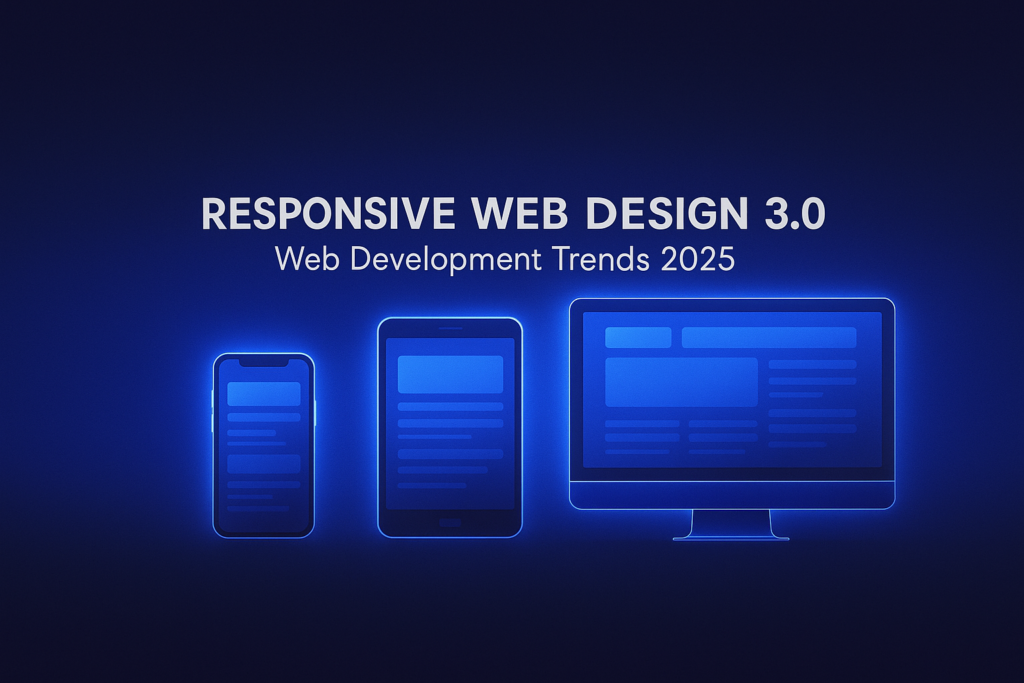
Trend 1 – Responsive Web Design 3.0
Responsive design is no longer just about resizing elements—it’s about personalized adaptability. Websites in 2025 will:
-
Use AI-driven responsiveness, adapting layouts to user preferences.
-
Optimize for voice search and wearable devices.
-
Implement advanced accessibility features for inclusivity.
Example: In GCC markets, e-commerce platforms are now mobile-first, with progressive checkout designs that load seamlessly on smartphones.
Trend 2 – Progressive Web Apps (PWAs)
PWAs combine the best of websites and mobile apps:
-
Work offline
-
Lightning-fast load speeds
-
Push notifications without app store downloads
Case Study: A USA-based retailer switched to a PWA and increased mobile conversions by 68%.
Why it matters for 2025: Users prefer app-like speed without storage-heavy downloads.
Trend 3 – Headless CMS Adoption
Traditional CMS platforms are giving way to headless CMS, which separates the content backend from the frontend.
Benefits:
Faster websites with cleaner code
Flexible omnichannel publishing (website, mobile, IoT devices)
Improved SEO and scalability
Popular Tools: Contentful, Strapi, Sanity.
Trend 4 – Low-Code & No-Code Development
Businesses want faster launches and lower costs. That’s where low-code/no-code platforms shine.
Enable non-developers to build functional sites.
Useful for startups and SMEs in the GCC where budgets are tight.
Integrate AI features for drag-and-drop automation.
Example Tools: Webflow, Bubble, Wix Studio AI.
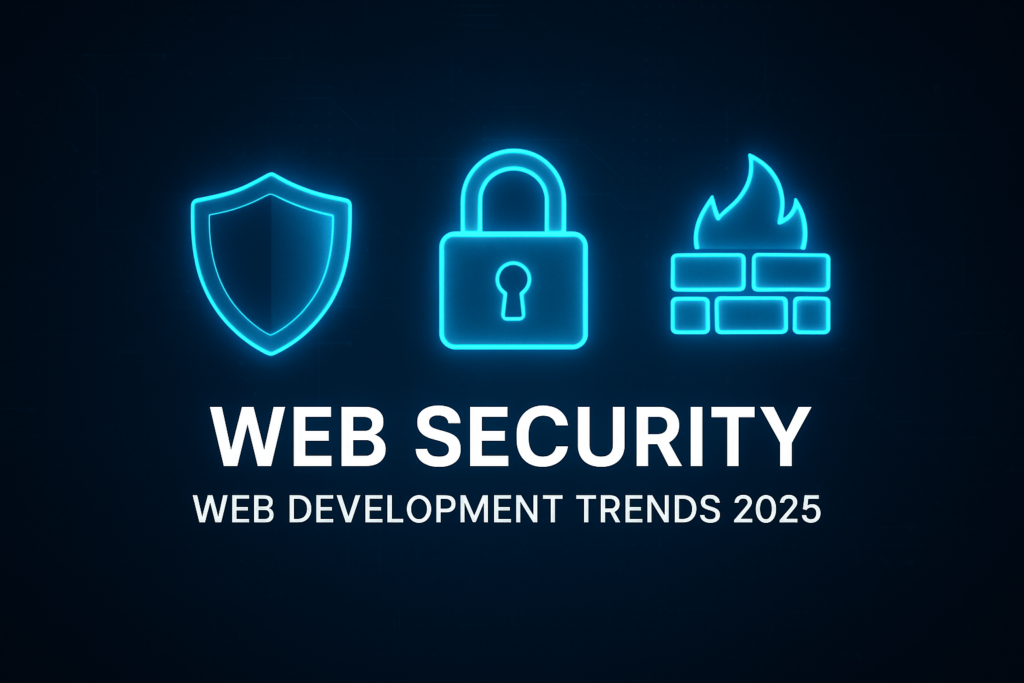
Trend 5 – Web Security & Data Privacy
With cyberattacks increasing globally, web security is a top priority.
HTTPS by default
AI-powered threat detection
Secure API connections
Compliance with GDPR, CCPA, UAE data laws
Long-tail keyword: web design best practices SEO & security
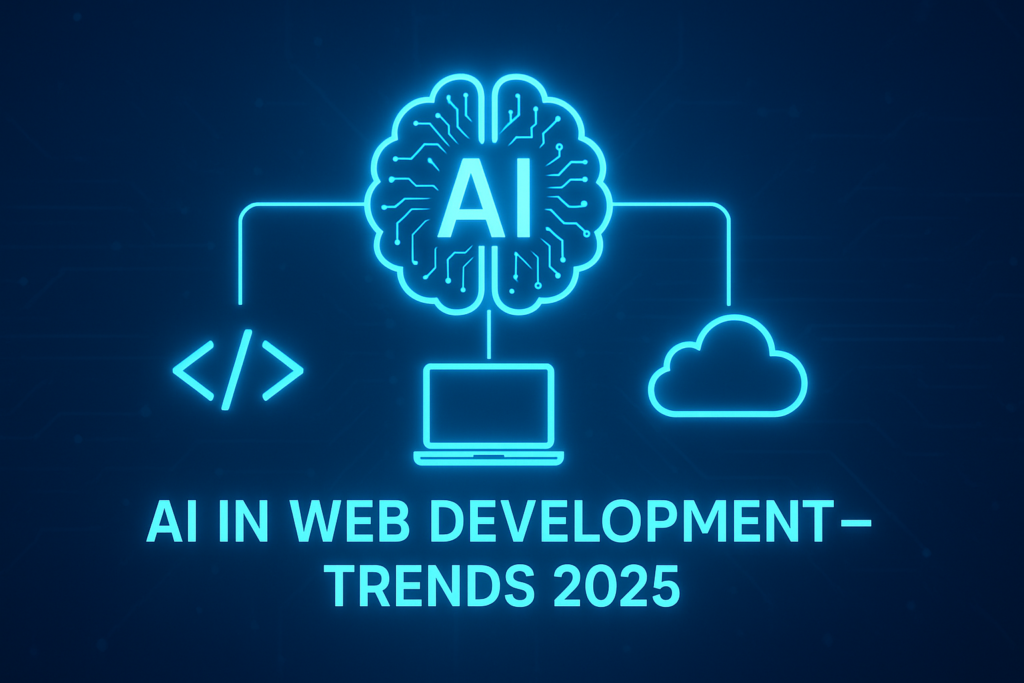
Trend 6 – AI & Automation in Web Development
AI has entered web development in full force:
AI site builders (Framer AI, 10Web) create entire pages in minutes.
AI SEO optimizers suggest real-time improvements.
Automated UX testing provides instant feedback.
For businesses, this means lower costs and faster go-to-market strategies.
Trend 7 – Future Web Development Technologies to Watch
Blockchain Websites: For security and transparency.
Voice-Activated Navigation: Optimized for Alexa, Siri, and Google Assistant.
AR/VR Integration: Immersive e-commerce and virtual tours.
Benefits of Following Web Development Trends
Higher SEO Rankings – Google rewards fast, secure, mobile-first sites.
Better User Experience – Engaged users convert more.
Future-Proofing – Avoid costly rebuilds later.
Competitive Advantage – Stay ahead of rivals with modern features.
Challenges in Adopting New Trends
High upfront costs for custom builds.
Skill gaps in AI and headless CMS.
Constant updates needed to stay relevant.
Frequently Asked Questions (FAQs)
Q1: What are the latest web development trends in 2025?
The top trends include responsive design 3.0, PWAs, headless CMS, low-code platforms, AI in development, and stronger web security.
Q2: Is a progressive web app better than a native app?
PWAs are cheaper, faster, and require no app store. Native apps still offer deeper device integration. For many businesses, PWAs are the smarter 2025 choice.
Q3: Do I need a headless CMS for SEO?
Yes, headless CMS improves site speed and flexibility, which positively affects SEO rankings.
Q4: Which web development trend is most important for GCC businesses?
In the GCC, mobile-first design and web security are critical, given the high smartphone penetration and strict data laws.
Q5: Can AI replace web developers?
AI won’t replace developers but will automate repetitive coding tasks. Developers will focus on creative, strategic work.
Conclusion
Web development trends 2025 highlight a clear future: websites must be fast, mobile-first, secure, and AI-powered. Companies that embrace PWAs, headless CMS, and low-code tools will enjoy better SEO, smoother UX, and higher ROI.
🚀 At HS Online Solutions, we specialize in web development, app design, AI tools, and IT services. Whether in the USA or GCC, we can help your business build modern, future-ready websites.
Leave a Reply